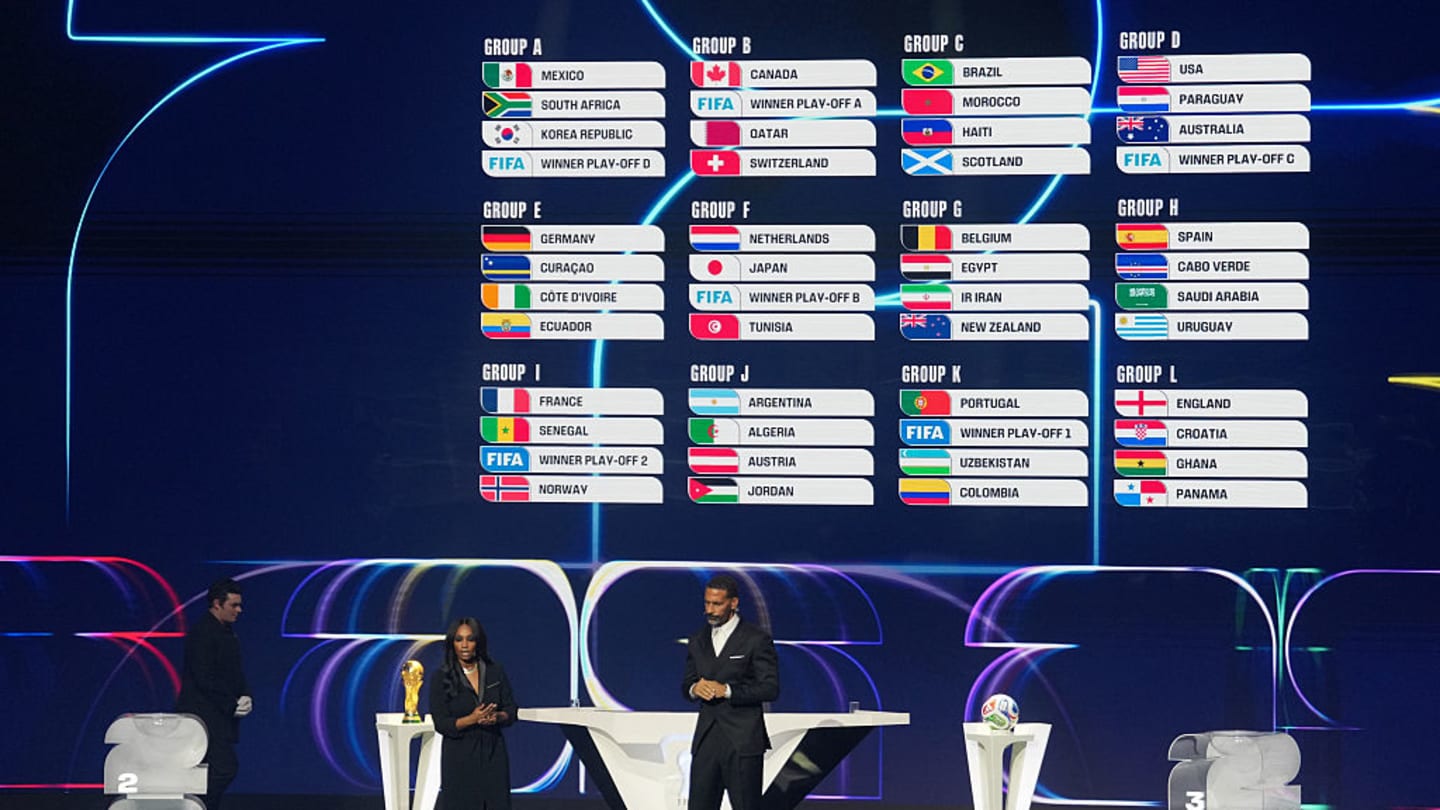
The 2026 FIFA World Cup is set to be a highly anticipated event, with sports bettors around the world eagerly anticipating the action on the pitch. As the tournament approaches, sportsbooks are closely monitoring the latest betting trends and their potential liabilities. In this article, we’ll dive into the current landscape and examine the key factors shaping the World Cup 2026 betting landscape.
Analyzing the Betting Handle Distribution
One of the primary indicators of betting interest is the distribution of the overall handle, or the total amount of money wagered on the event. According to the latest data from BetMGM, a leading international sportsbook, the handle distribution for the 2026 World Cup is already starting to take shape.
Top Teams by Bet Count
When it comes to the number of bets placed, the teams generating the most interest among bettors are no surprise. Brazil, the perennial favorites, are leading the charge, accounting for a significant portion of the overall bet count. Close behind are traditional powerhouses like Germany, France, and England, all of which have passionate fan bases eager to back their national teams.
Top Teams by Money Wagered
While the bet count provides insight into the breadth of interest, the distribution of the money wagered paints a clearer picture of where the sportsbooks’ largest liabilities lie. Once again, Brazil emerges as the team attracting the most money, with bettors seemingly confident in the Seleção’s ability to lift the trophy. Joining them among the top teams by money wagered are Spain, France, and Germany, all of which are perennial contenders on the world stage.
Emerging Betting Trends

As the 2026 World Cup approaches, sportsbooks are closely monitoring the evolving betting trends to stay ahead of the curve and manage their risk effectively.
The Rise of Prop Bets
One notable trend is the growing popularity of prop bets, which allow bettors to wager on specific in-game events or player performances. From predicting the number of goals scored by a particular player to guessing the outcome of individual matches, prop bets have become increasingly attractive to bettors seeking a more engaging and personalized betting experience.
Sportsbooks have responded by expanding their prop bet offerings, providing a wider range of options for bettors to explore. This shift in betting patterns has implications for how sportsbooks manage their risk, as prop bets can be more volatile and require a more nuanced approach to risk management.
Increased Interest in Underdog Teams
Another emerging trend is the growing interest in underdog teams, particularly those from emerging soccer markets. While the traditional powerhouses continue to draw the majority of the betting action, sportsbooks are reporting a noticeable uptick in wagers placed on teams that may not be considered favorites but have the potential to pull off surprising results.
This shift in betting patterns can be attributed to several factors, including the increasing global reach of the World Cup, the growing popularity of the sport in non-traditional markets, and bettors’ desire to capitalize on potentially lucrative underdog victories. Sportsbooks must carefully navigate this trend, balancing their risk exposure while still offering attractive odds and markets to engage a diverse set of bettors.
Implications for Sportsbook Risk Management
As the betting trends continue to evolve, sportsbooks are faced with the challenge of effectively managing their risk exposure. The concentration of bets and money on a few top teams, coupled with the rise of prop bets and increased interest in underdogs, requires a sophisticated and adaptable risk management strategy.
Diversifying the Book
To mitigate their liabilities, sportsbooks are focusing on diversifying their betting book by actively promoting less popular markets and events. This includes offering more niche bets, such as regional or continental competitions, as well as expanding their selection of prop bets and specialty wagers. By spreading the betting action across a wider range of markets, sportsbooks can reduce their reliance on the outcomes of a few high-profile matches and better manage their overall risk profile.
Leveraging Data and Analytics
Sportsbooks are also leveraging advanced data and analytics to gain a deeper understanding of betting patterns and player behavior. By closely monitoring and analyzing the flow of bets and money, they can identify emerging trends, anticipate potential liabilities, and make informed decisions to adjust their odds, limits, and risk management strategies accordingly.
This data-driven approach allows sportsbooks to stay agile and responsive to the evolving betting landscape, ensuring they can capitalize on opportunities while effectively mitigating their exposure to potential losses.
Responsible Gambling Considerations
As the excitement around the 2026 World Cup builds, it’s crucial for bettors to approach their wagering with a responsible and informed mindset. Sportsbooks have a responsibility to promote safe and ethical gambling practices, and bettors should be mindful of their own limits and risk tolerance.
Responsible gambling resources, such as self-exclusion tools, deposit limits, and access to support services, should be readily available to all bettors. By encouraging responsible behavior and providing the necessary safeguards, sportsbooks can ensure that the 2026 World Cup betting experience is both thrilling and sustainable for all participants.
0 Comments